
Typing “home inspector near me” into a search bar will show you dozens of options within minutes. The hard part is separating good marketing from real expertise, especially in Southern California, where microclimates, hillside lots, stucco exteriors, clay or concrete tile roofs, and a mix of early-20th-century homes and sleek ADUs all live on the same block. This guide walks you through what actually matters so you can hire a pro who gives you clarity, leverage, and a plan.
Start with the place, then match the property.
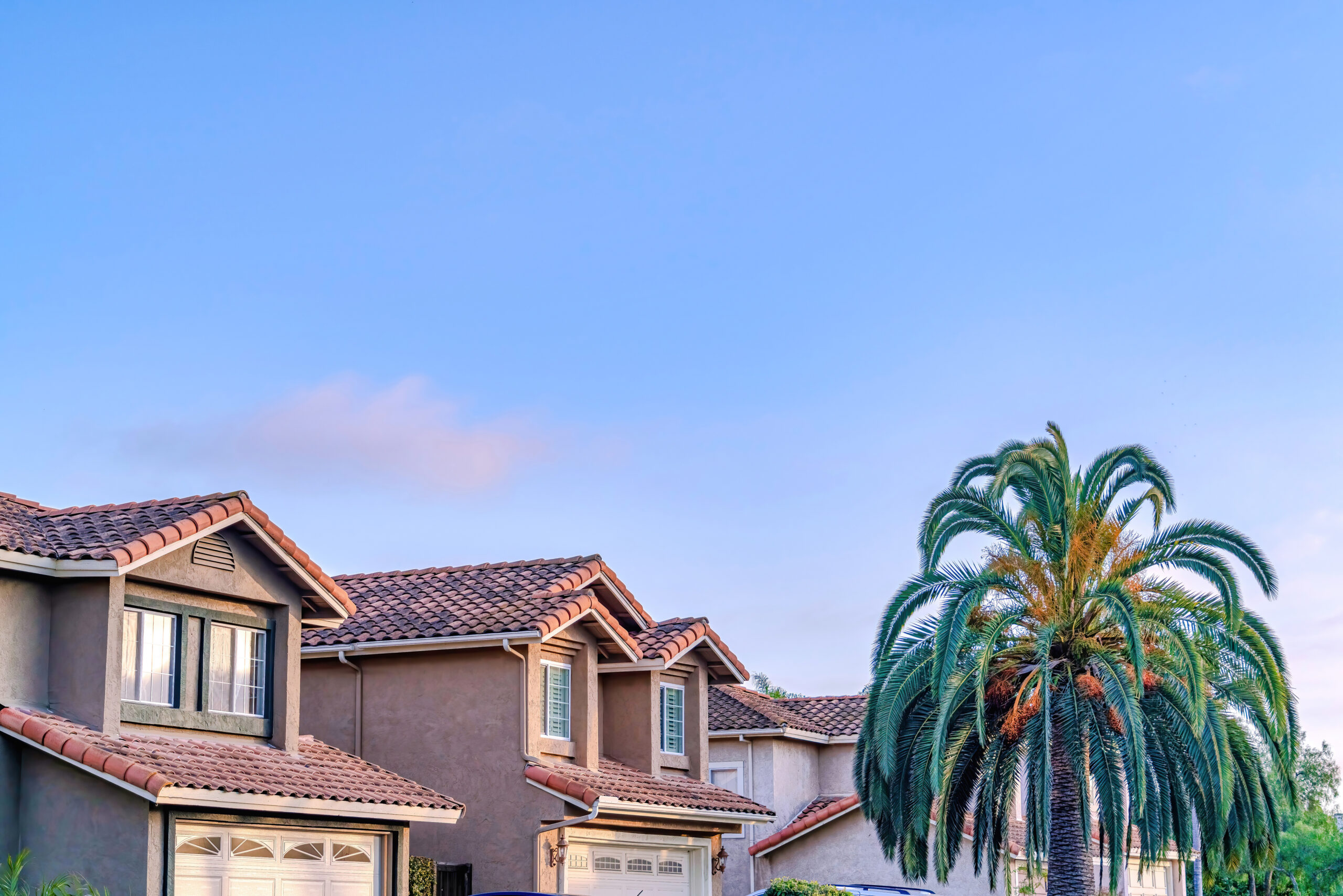
SoCal isn’t one market. Coastal homes wrestle with marine air and corrosion, inland valleys cook under summer heat, foothill neighborhoods deal with drainage and soil movement, and older urban cores hide a century of renovations behind fresh paint. Your goal isn’t just to find any “home inspector near me.” It’s to find one who has worked extensively in your specific area and with your specific property type. A 1920s Spanish bungalow with a raised foundation reads differently from a 2005 tract home on a slab; a hillside mid-century with wide eaves isn’t the same as a new tri-level townhome with foam-trimmed stucco and vinyl windows.
Microclimate and construction style shape the inspection.n
Along the coast, inspectors should be attuned to fastener corrosion, window seal failure from salt-laden breezes, and deck hardware that ages faster than expected. In hotter inland zones, they should recognize how UV and thermal cycling chew through roofing, exterior sealants, and south- and west-facing finishes. In canyon or hillside areas, they should care deeply about site drainage, retaining walls, and signs of movement around steps and hardscape. Matching your inspector to these patterns is the difference between generic notes and a report that actually protects your budget.
Credentials matter, but process matters more.
Certification and ongoing education signal a baseline of professionalism. Ask which standards of practice the company follows and whether they carry both general liability and errors-and-omissions coverage. Then move beyond the badge. You want a methodical exterior-to-interior routine that prioritizes water management and safety, documents visible structure, evaluates electrical distribution and protective devices, and reviews plumbing, HVAC, insulation, ventilation, and interior clues in a sequence that makes sense. A checklist alone isn’t enough; you’re hiring disciplined thinking.
Judgment leads, tools support.
The best inspectors use moisture meters, thermal imagers, circuit testers, and gas sniffers to confirm suspicions and document findings, not to impress you with gadgets. A thermal image of a wet wall, a meter reading below a shower, or a photo of missing kick-out flashing at a roof-wall intersection turns a hunch into a credible request for repair or credit. Ask when and why they use these tools, and how the results appear in the report.
Read a sample report before you book
A strong report is usable the moment it hits your inbox. Look for clear headings, plain-English narratives, labeled photos with arrows, and location notes you can actually find later. The summary should rank issues by urgency so you can focus on safety hazards, active moisture, and near-term costs first. If the sample reads like technical noise or a generic checklist with one-word answers, keep searching. You’re paying for clarity, not mystery.
Turnaround and communication keep your calendar safe
In fast Southern California escrows, you typically have a short inspection window. Ask about report delivery timing and whether you’ll get a same-day verbal walkthrough. An inspector who can summarize findings on site and deliver a full report within twenty-four hours protects your leverage and keeps you from burning days waiting for basics.
Be on site for the final walkthrough.
You learn more in a brief walkthrough than in an evening alone with PDFs. Choose an inspector who encourages you to be there for the last thirty to forty-five minutes. Hearing the “why” behind each note helps you separate headline items from small maintenance tasks. Ask what they would fix first, what they would budget for, and what they would monitor over the next season. Those answers become your action list.
Tone is part of professionalism.m
Listen for calm prioritization. Good inspectors don’t inflate every blemish or dismiss legitimate risk. They explain limitations when access is blocked and offer practical next steps, including when to call a specialist. That balanced tone will echo in the report—and in your negotiations.
Look beyond star ratings when you check reputation.
Online reviews tell you if a company shows up on time; they rarely reveal how the report reads or how questions are handled after delivery. After skimming ratings, ask for two recent references in your target neighborhood or property type. Ask those clients what they changed because of the report and how the inspector handled follow-up calls. You’re looking for consistency: clear writing, reliable timelines, and accountability.
Local agents and trades know who’s solid.
A quick word with your agent or a roofer, electrician, or plumber who works in your area can surface names you won’t find through ads. Trades notice which reports are fair, specific, and actionable—and which are vague or theatrical. That informal vetting helps you avoid regrettable hires.
Price is real; value is clearer.
It’s tempting to shop quotes like commodities. But a modest price difference vanishes if the better report wins you a fair credit for roof flashing repairs or helps you avoid inheriting a slow drain that turns into a holiday backup. Ask yourself what the fee buys: experienced eyes, a method you can trust, and documentation that moves negotiations. Cheaper isn’t cheaper if it leaves you arguing with a seller over vague language.
What value looks like in practice
Picture two reports on the same ranch in the San Gabriel Valley. One lists “minor stucco cracks” and “older water heater.” The other shows photos at two window penetrations, explains why sealing matters on that elevation, notes the manufacture date and seam corrosion at the water heater, documents missing protection near a bathroom sink with a test photo, and adds locations you can find without guessing. Only one of those reports helps you price, plan, and negotiate.
Ask about add-on services and coordination.
Not every home needs every test, but many SoCal properties benefit from targeted add-ons. Older neighborhoods often justify sewer scopes to check for offsets, root intrusion, or bellies. Homes with pools need a functional and safety review of circulation, heating, bonding and grounding, and barriers. Tile roofs sometimes merit a focused roof evaluation because the underlayment can be the real story. A good inspection company will coordinate these add-ons quickly so you don’t lose time in escrow, and so your requests to the seller come with evidence.
New builds, flips, and ADUs still deserve scrutiny.
Fresh finishes don’t erase common misses: reversed hot-cold at fixtures, bath fans that don’t vent outdoors, dryer ducts that terminate in attics, missing insulation at attic access, or exterior penetrations painted pretty but left unsealed. If the home includes an ADU or a garage conversion, your inspector should flag clues that suggest unpermitted work so you can confirm status with the city before you rely on that square footage.
Timeline discipline protects your leverage.
Book the inspection as soon as your offer is accepted and ask for the earliest practical slot. If the inspector finds something major, you want time to bring in a specialist and attach a real quote to your request. That sequence—generalist first, specialist next—keeps your calendar intact and turns worry into a scope the seller can approve.
Re-inspections close the loop.
If the seller agrees to repairs, a targeted re-inspection verifies completion and workmanship. Ask how your inspector handles re-visits and whether you’ll receive after-photos. That small step prevents last-minute disputes and adds documentation you can use with insurers and, later, with your own contractors.
Red flags to notice before you hire
Be cautious with one-page “checklists” full of boxes and a few photos. Be wary of firms that won’t let you attend the walkthrough or that refuse to discuss limitations. An inspector who dramatizes routine wear can be as unhelpful as one who shrugs at safety hazards. You want someone who ranks issues by impact and explains uncertainty plainly when areas are inaccessible or concealed.
If you’re the seller searching for “home inspector near me”
A pre-listing inspection can be the cleanest path to a smooth sale. The same rules apply: hire for local pattern recognition, clear reports, and fast turnaround. Use the findings to fix safety and moisture items, complete a few visible functional corrections, and decide which age-related issues are better handled with a credit. When buyers see a calm, recent report and receipts, negotiations stay practical.
Prepare for inspection day so the report works harder.
If you’re the buyer scheduling an inspection, ask your agent to confirm that utilities are on and pilot lights are lit. Request clear access to the attic hatch, crawlspace, electrical panel, water heater, furnace, and condenser. If areas are blocked by storage, the report will say “inaccessible,” which weakens your position and may force a return visit. Plan to bring questions about the first sixty-day priorities and three-year budgeting so you leave with a sequence, not just a stack of notes.
Read the report the right way when it arrives.
Start with the summary. Handle life-safety and active moisture first, big-ticket aging systems next, and convenience items last. Attach contractor quotes to major requests when possible. If timing is tight, request a fair credit you can use after closing. The point is not perfection; the point is predictable ownership.
The bottom line
The best answer to “How do I find a trusted home inspector near me?” is to hire for local pattern recognition, disciplined process, readable reporting, and reliable turnaround. Choose the professional who can explain SoCal-specific risks without drama, document what matters with photos and locations, coordinate add-ons when needed, and stay available long enough for you to act. Do that, and your inspection stops being a hurdle and becomes the hour that makes the rest of your escrow easier—clearer negotiations, better budgeting, and a calmer first year in your new home.